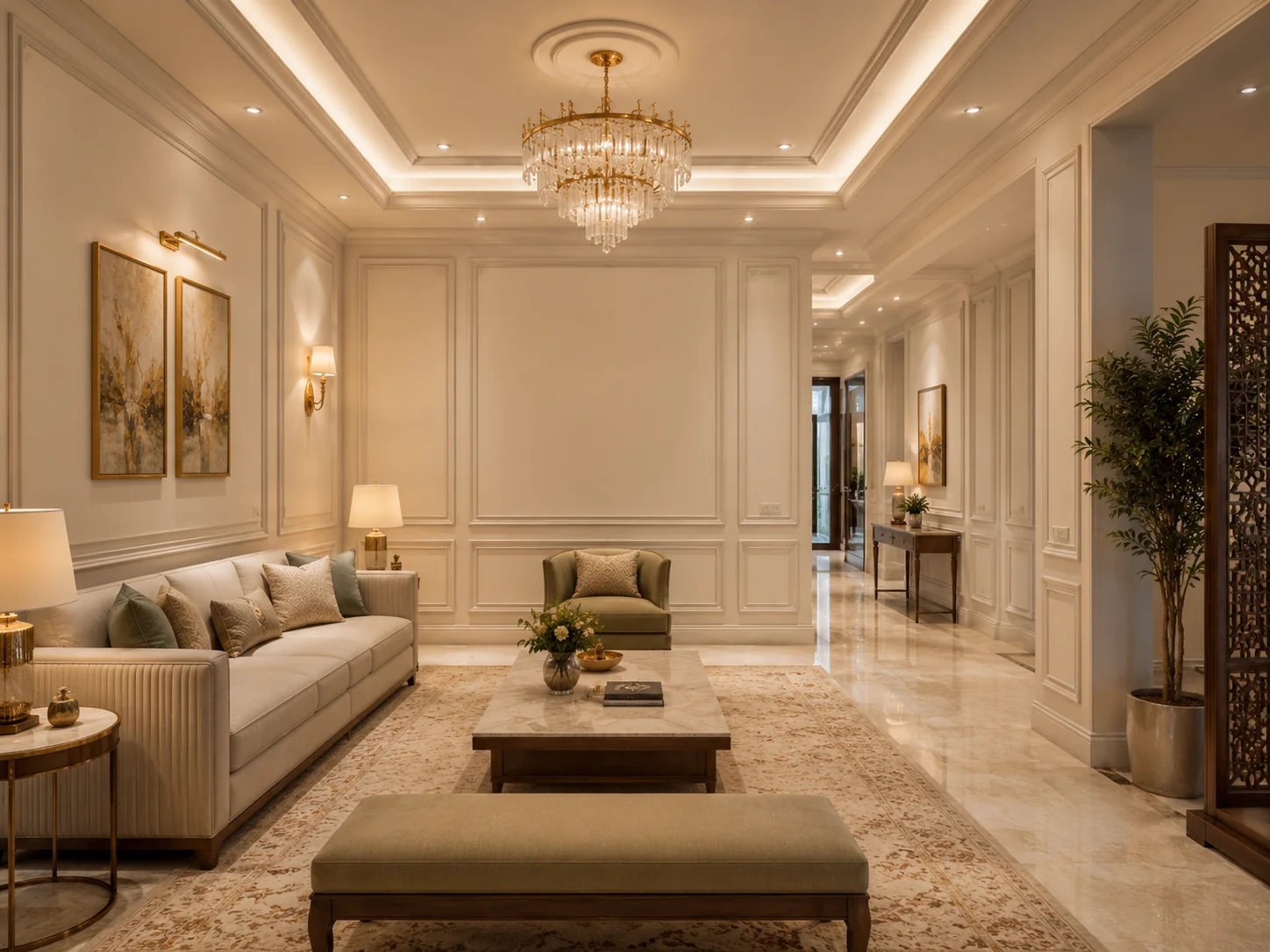
The Beginner’s Guide to Minimalism in Home Decor

Minimalism, as a lifestyle and design philosophy, has gained considerable momentum in recent years. With its roots in art, architecture, and interior design, minimalism encourages simplicity, functionality, and the elimination of excess. In a world often overwhelmed by clutter, both physical and mental, minimalism offers an antidote—creating serene, organized, and intentional spaces. If you’re just beginning to explore this design approach, it might seem daunting at first, but embracing minimalism in your home can be both rewarding and transformative. In this guide, we’ll walk you through the essential principles of minimalist home decor, offering practical tips and insights for cultivating a peaceful, functional, and beautiful space.
1. Understanding Minimalism: More Than Just Decluttering
At its core, minimalism is about more than just removing items from your home; it’s about intentionality. Minimalism seeks to create spaces that serve a purpose and reflect a lifestyle of clarity and focus. It’s a mindset that encourages quality over quantity, and function over form. Instead of surrounding yourself with unnecessary things, minimalism urges you to curate your space with pieces that truly enhance your life.
Minimalism doesn’t necessarily mean you have to strip your home of all personality or comfort; rather, it’s about being selective with what you keep and ensuring each item you introduce serves a clear purpose. A minimalist home can be inviting, warm, and even luxurious, but it thrives on simplicity, balance, and mindful choices.
2. Begin with Decluttering
The first step in any minimalist transformation is decluttering. Minimalism hinges on the idea of having less to create more space—space for what matters, space for calm, and space for creativity. Start by evaluating each room in your home. Ask yourself: Does this item serve a purpose? Does it add value to the space? If not, it may be time to let it go. Decluttering doesn’t just involve getting rid of old furniture or outdated decor; it’s about assessing your belongings with a discerning eye.
Take a holistic approach: examine your wardrobe, your kitchen gadgets, your bookshelf, and even your storage areas. Items that are redundant, broken, or no longer useful don’t belong in a minimalist home. The goal is not to remove everything you love, but to focus on what is truly important and let go of the excess.
3. Embrace Neutral Colors and Simple Palettes
One of the hallmarks of minimalist design is the use of a neutral color palette. Soft tones of white, gray, beige, and muted pastels dominate minimalist interiors, as they create a clean, calm, and inviting atmosphere. These colors also help to create a sense of space and light, making rooms feel airy and uncluttered.
Incorporating neutral tones doesn’t mean your home has to feel cold or monotonous. To add warmth and personality, you can mix in subtle textures, such as natural wood, linen, or wool, or introduce accent colors sparingly. These soft hues complement minimalist furniture and decor, allowing the space to feel both sophisticated and balanced. Keep in mind that the fewer colors you introduce, the more cohesive and calm the space will feel.
4. Focus on Quality, Not Quantity
Minimalism encourages the idea of investing in fewer, but higher-quality items. When choosing furniture or decor, select pieces that are timeless and durable, rather than trendy or disposable. Minimalist design celebrates clean lines and craftsmanship—whether it’s a sculptural chair, a wooden coffee table, or an elegant rug, each piece should reflect quality and function.
Opting for fewer but better items can be more cost-effective in the long run, as you’re less likely to replace worn-out pieces frequently. Additionally, these thoughtfully chosen items can act as the focal points of a room, elevating the space without overwhelming it. Remember, minimalism isn’t about austerity; it’s about intentionality.
5. Prioritize Functional Layouts
Minimalism in home decor also extends to the way furniture and layouts are arranged. In a minimalist home, functionality is key. Each piece of furniture should serve a purpose and be thoughtfully placed to enhance movement and flow throughout the room.
For example, in a living room, aim for furniture that is proportionate to the size of the space. Avoid overcrowding the area with excess seating or decor. Instead, focus on creating an open, airy space where each item has room to breathe. This doesn’t mean the space has to be sparse—rather, it should feel spacious and uncluttered, with room for ease of movement and conversation.
Opt for versatile pieces that can serve multiple functions, such as a sofa that can convert into a guest bed or a coffee table that doubles as storage. Keeping the layout simple yet functional allows the space to feel peaceful and practical.
6. Incorporate Clean Lines and Simple Shapes
Minimalist design is rooted in simplicity, and one way to achieve this is through clean lines and simple shapes. Choose furniture that features straight edges and uncluttered silhouettes. A sofa with sleek, angular lines or a minimalist dining table with a single, smooth surface exemplifies the principles of minimalist design.
When selecting decor items, avoid overly ornate or intricate designs. Instead, look for items that have a subtle, understated beauty. This can include sculptural lighting, geometric wall art, or abstract sculptures. These simple elements contribute to a sense of order and tranquility in the space, creating an atmosphere that feels balanced and calming.
7. Use Natural Materials
Minimalist decor often incorporates natural materials that add texture and warmth to an otherwise neutral palette. Wood, stone, metal, and glass are common materials used in minimalist spaces. These materials provide a tactile experience and contribute to the organic feel of the room.
For instance, a reclaimed wood coffee table or a stone countertop adds visual interest without overwhelming the space. Natural materials can also be incorporated through soft furnishings, such as linen curtains, cotton rugs, and wool throw blankets. These materials not only contribute to the beauty of the room but also align with the minimalist value of simplicity and sustainability.
8. Create Visual Harmony with Minimalist Artwork
Art is an essential part of any home, but in a minimalist design, it should complement rather than dominate the space. Opt for artwork that is simple, understated, and aligns with the overall tone of the room. Black-and-white photography, abstract paintings, or minimalist sculptures work well in these environments. When hanging art, consider spacing the pieces well apart to allow each to breathe, creating a sense of balance and visual harmony.
Avoid cluttering your walls with too many pieces. Instead, select a few statement pieces that resonate with you and evoke the mood you want to create. This curated approach to artwork contributes to the overall minimalist aesthetic, creating a cohesive and calming environment.
9. Maintain a Sense of Cleanliness and Organization
Minimalism thrives in an environment that is neat, organized, and free from clutter. The cleanliness of a minimalist home is integral to its peaceful and serene atmosphere. Incorporate smart storage solutions that allow you to keep everyday items neatly tucked away. Hidden storage compartments, sleek shelving units, and minimalist cabinetry can help you maintain an organized space.
On a daily basis, make an effort to keep your space tidy and free from unnecessary items. A minimalist home requires ongoing attention to keep it clutter-free, but this process becomes a natural part of the lifestyle as you grow accustomed to the simplicity and order that minimalism provides.
10. Embrace the Empty Spaces
In a minimalist home, negative space—the areas that remain empty—are just as important as the furniture and decor you choose. These open spaces contribute to the sense of calm and freedom that minimalism aims to create. Rather than filling every corner of the room with items, allow some spaces to remain open and uncluttered. This creates visual relief and ensures that the eye can rest, enhancing the overall sense of peace and tranquility.
Conclusion
Minimalism in home decor is about more than just removing excess; it’s a way of life that prioritizes simplicity, intentionality, and clarity. By embracing this design philosophy, you can create a space that is not only aesthetically pleasing but also peaceful, organized, and full of purpose. Whether you start with decluttering, investing in quality furniture, or focusing on functional layouts, the principles of minimalism can transform your home into a sanctuary of serenity and beauty. With time, the minimalist approach will not only change the look of your home but will also shift your mindset, helping you embrace the freedom that comes with owning less and living more.