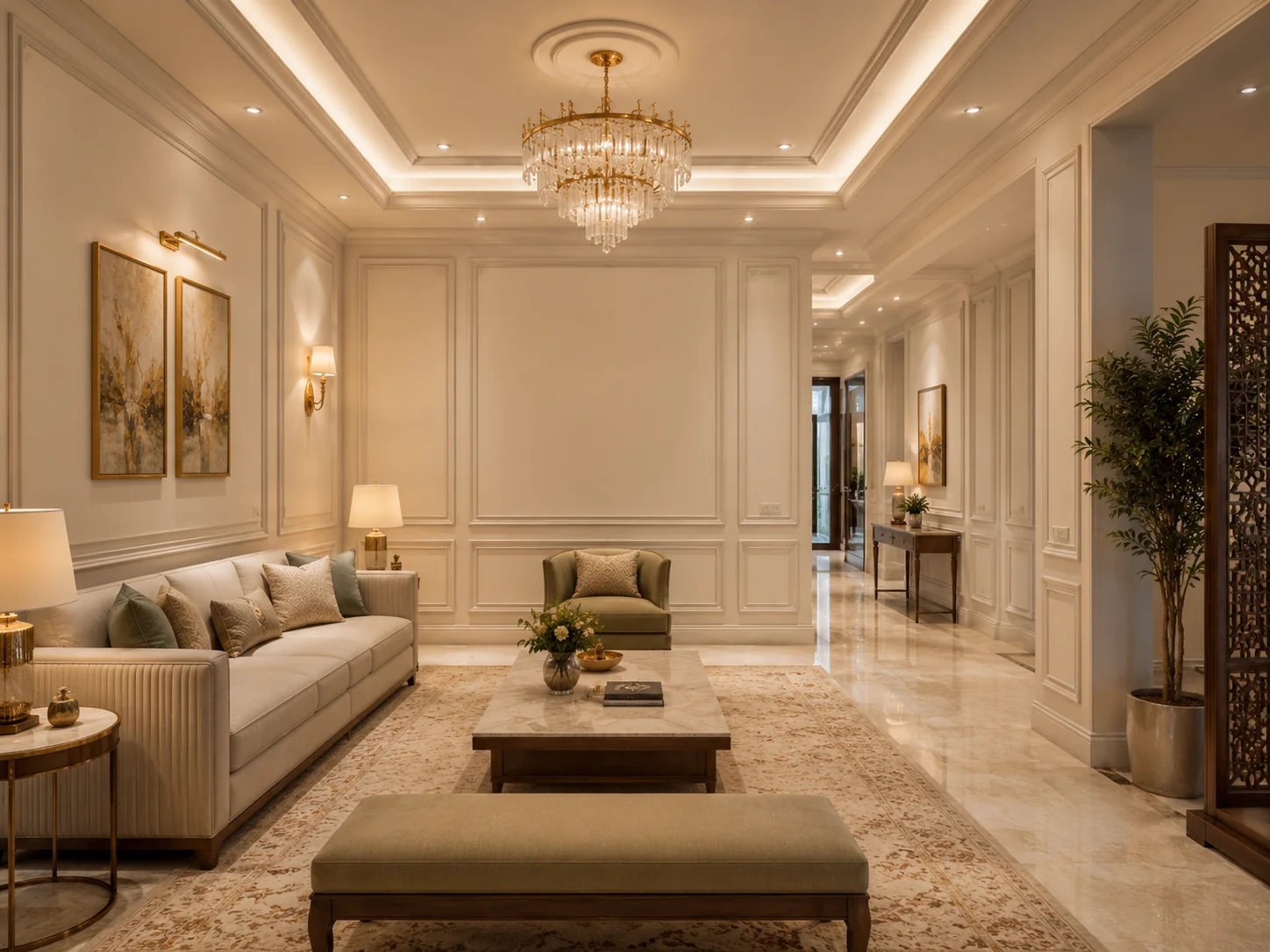
Top 10 Interior Tips for Better Home Decor

Home is where the heart is. It’s the space where we relax, rejuvenate, and express our individuality. While the functionality of a space is important, how it looks and feels is equally significant. Interior decor can significantly impact your mood, productivity, and overall quality of life. A well-decorated home not only enhances the aesthetics but also creates an atmosphere that aligns with your lifestyle. Whether you’re moving into a new space or simply looking to refresh your existing one, here are ten essential interior tips to elevate your home decor.
1. Embrace the Power of Neutral Tones
Neutral colors are the cornerstone of timeless and elegant home decor. Shades of white, beige, gray, and taupe create a sophisticated backdrop that allows other design elements to shine. These hues evoke a sense of calm and cleanliness, making them ideal for bedrooms, living rooms, and even kitchens. When incorporating neutrals, balance is key. Layering different textures and materials, such as wool throws, velvet cushions, or linen curtains, adds depth and warmth to these subtle shades. Neutral tones also provide the perfect canvas for incorporating pops of color through accessories like artwork, vases, or statement furniture.
2. Focus on Lighting
Lighting plays a pivotal role in setting the mood of a room. It can transform a dull space into an inviting one and enhance its functionality. Layering different types of lighting is essential for a well-lit, balanced room. A mix of ambient lighting (overhead lights), task lighting (desk lamps or pendant lights), and accent lighting (spotlights or candles) ensures a versatile and functional design. Pay attention to the light’s color temperature as well—warm lighting creates a cozy, welcoming environment, while cooler tones promote focus and energy. Incorporating dimmers or adjustable fixtures gives you flexibility to change the ambiance depending on the time of day or occasion.
3. Choose Statement Furniture Pieces
In any room, furniture is both functional and expressive. Rather than cluttering a space with many items, focus on key pieces that stand out. A bold sofa, an elegant armchair, or a unique coffee table can serve as the focal point of a room. Statement furniture pieces help define your style and personality. Opt for designs that are both aesthetically pleasing and comfortable. Don’t be afraid to mix textures and materials—such as leather with wood or velvet with metal—if it aligns with the room’s overall vibe. By curating a few key, standout pieces, you create a room that’s both stylish and practical.
4. Incorporate Natural Elements
Bringing the outdoors in has been a popular design trend for years, and for good reason. Natural elements like plants, wooden furniture, and stone accessories can ground a space and provide a sense of tranquility. Houseplants, in particular, have numerous benefits: they purify the air, reduce stress, and add life to any room. From lush, leafy greens to minimal succulents, there’s a plant for every space. Additionally, wooden accents—whether it’s a reclaimed wood dining table, a bamboo floor lamp, or a wooden frame—introduce warmth and an organic feel. Incorporating natural textures enhances the overall sensory experience of a room.
5. Balance Functionality with Aesthetics
While it’s tempting to fill a room with beautiful decor, it’s important to ensure that the space remains functional. Every item should serve a purpose, whether it’s for storage, comfort, or practicality. Furniture pieces should be proportionate to the room’s size and layout, ensuring there’s enough space to move around. Consider multi-functional pieces, such as a storage ottoman or a sofa that doubles as a bed. Remember, clutter can undermine a room’s aesthetic, so invest in stylish storage solutions to keep everyday items neatly tucked away. A functional home is a beautiful home, and achieving this balance will ensure your space remains both stylish and practical.
6. Experiment with Textures and Patterns
Textures and patterns bring character and personality to a space. Mixing fabrics like velvet, silk, and wool creates an inviting atmosphere by adding variety to the sensory experience. Throw pillows, rugs, and curtains are easy ways to experiment with different textures. For instance, a plush velvet pillow can contrast beautifully with a linen throw. Likewise, combining various patterns—like stripes, florals, and geometric designs—can add visual interest. The key to successfully mixing patterns is to maintain a sense of harmony through color and scale. Stick to a consistent color palette, and ensure patterns are balanced to avoid overwhelming the eye.
7. Personalize Your Space with Art and Accessories
Artwork is one of the most powerful ways to infuse personality into a room. Whether it’s a large canvas painting, a gallery wall, or framed family photographs, art gives a space a unique touch. When selecting art, consider the room’s overall style and the mood you want to evoke. Bold, abstract pieces work well in modern spaces, while more traditional designs suit classic interiors. Similarly, accessories such as vases, sculptures, and decorative trays can further personalize a space. Don’t hesitate to display cherished items that reflect your interests or memories. These little details help transform a generic room into one that truly feels like home.
8. Create Visual Flow with an Open Layout
A cluttered, cramped room can feel suffocating and chaotic. Instead, aim for a layout that allows for visual flow and ease of movement. Open layouts, where furniture is arranged to maximize natural light and create open pathways, foster a sense of spaciousness. Consider how you move through the space and avoid overcrowding a room with too many pieces of furniture. For instance, in the living room, keep the seating area central, allowing for interaction and comfortable conversation. The goal is to make your space feel expansive and welcoming. If you’re working with a smaller area, consider using mirrors to create the illusion of more space and depth.
9. Mix Old and New
One of the hallmarks of great home decor is an eclectic mix of old and new. Integrating vintage or heirloom pieces with modern furniture creates a layered, rich aesthetic. For example, a mid-century modern chair can look stunning next to a vintage wooden cabinet, or a contemporary coffee table can contrast beautifully with an antique rug. This blending of styles adds interest and tells a unique story about your personal taste. Don’t shy away from incorporating family treasures, inherited pieces, or flea market finds. They add a sense of history and character to your home, making it feel more curated and personal.
10. Maintain Cleanliness and Organization
Finally, no matter how beautiful your decor is, clutter can quickly diminish the appeal of any space. Keeping your home organized is essential for a well-decorated interior. Regularly tidy up and invest in practical storage solutions that complement your design. Incorporating baskets, stylish bins, or built-in shelving can help store items without sacrificing style. A clean, well-maintained home allows your decor to shine and ensures a pleasant environment for both you and your guests.
Conclusion
Good interior design isn’t about following trends—it’s about creating a space that resonates with your lifestyle and reflects your personality. By embracing neutral tones, focusing on lighting, and incorporating natural elements, you can craft an atmosphere that feels both inviting and functional. Mixing textures, balancing aesthetics with practicality, and personalizing your space with art and accessories will ensure your home feels like a true reflection of yourself. Above all, creating a well-decorated home is about cultivating a space that not only looks beautiful but also enhances your daily life.