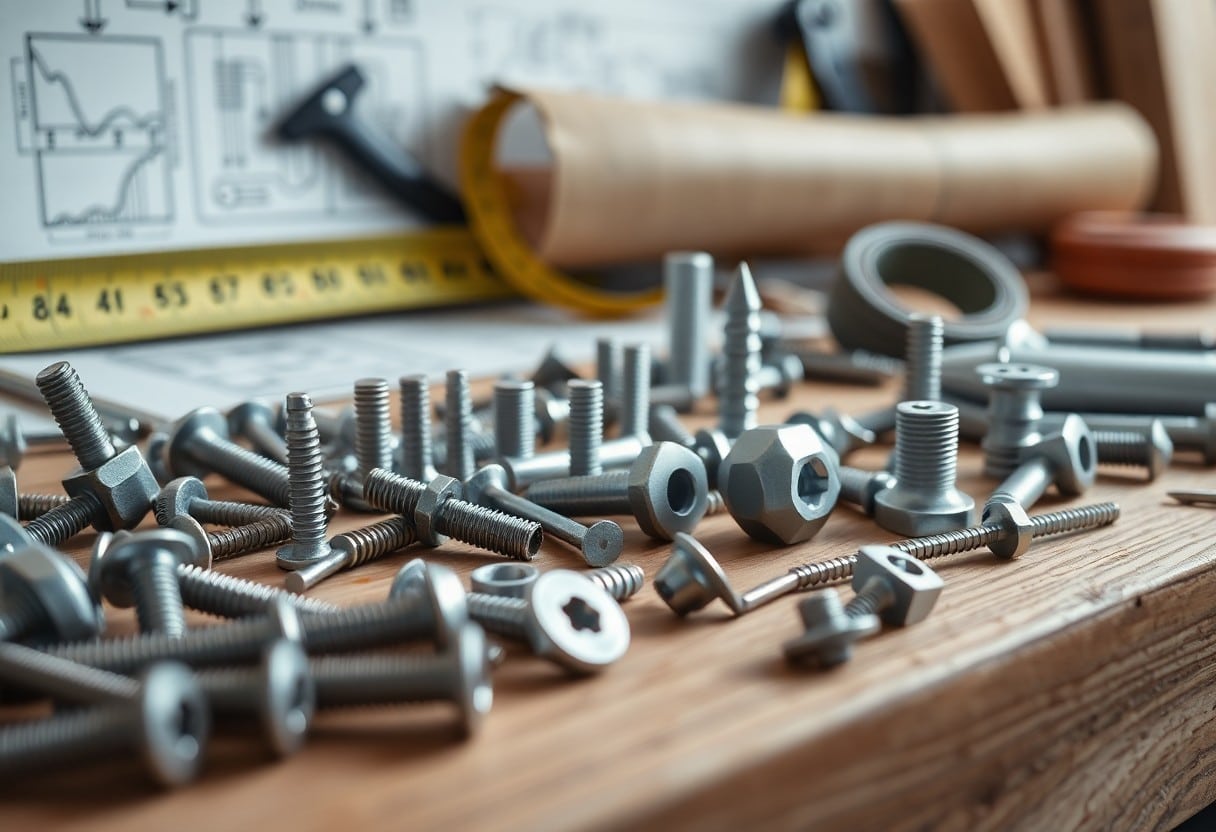
On any metalworking job, the finish is only as good as the materials holding everything together, which is why many installers and trade buyers rely on quality tek screws when they need a fixing that saves time without compromising on strength. Whether the work involves sheet metal, steel frames, cladding or external panels, choosing the right option early on can make installation smoother and help avoid problems further down the line.
Fastening metal securely is not just a matter of grabbing whatever is available in the van or workshop. Different materials, thicknesses and environments all place different demands on the fixing. A job indoors in dry conditions is one thing, but external work exposed to rain, temperature changes and daily wear needs more thought. When the wrong product is used, even a well-planned installation can end up looking poor or requiring remedial work much sooner than expected.
Why the Right Fixing Choice Matters
In metalwork, speed often matters, but reliability matters more. A fixing that goes in quickly yet fails to hold properly is no bargain at all. On busy commercial jobs, agricultural work, light industrial fit-outs or domestic external projects, tradespeople need products that cut in cleanly, grip well and stay put. The right choice reduces the chance of slippage during installation and helps create a more professional result from the first point of contact to the final panel.
There is also the issue of consistency. When one fixing performs well and the next does not, the whole job becomes harder to manage. Uneven fastening can affect alignment, create movement in panels and leave a finish that looks rushed. Reliable products support better workmanship because they remove some of that uncertainty. Installers can work with more confidence, especially on repetitive tasks where pace and accuracy both matter.
Matching the Fixing to the Material
Not all metalwork is the same, and that is where selection becomes important. Thin sheet material behaves differently from heavier steel sections. Some applications involve fixing metal to metal, while others combine metal with timber or other substrates. Each setup places different demands on the fixing point, so using a one-size-fits-all approach rarely gives the best result.
Thickness is one of the first things to think about. A fixing that works perfectly on thinner material may struggle when faced with denser or heavier sections. The head style matters too, particularly where appearance and finish count. On visible installations, a tidy and consistent finish can improve the whole look of the job. On practical builds such as workshops, outbuildings or service areas, durability and holding power may take priority. The best results usually come from thinking about both the material and the purpose of the structure before any work starts.
The Site Conditions Make a Big Difference
It is easy to focus only on the materials being fixed, but site conditions can be just as important. External installations face constant exposure to moisture, wind and temperature changes. Over time, these conditions test every part of the build, including the smallest components. A fixing that is not suited to outside use may begin to weaken, stain surrounding materials or lose its hold sooner than expected.
This is especially important in the UK, where damp conditions are common for much of the year. A project completed in dry weather still has to cope with autumn rain, winter frost and the general wear that comes with exposure. That is why experienced installers do not treat fixings as an afterthought. They understand that longevity depends on the details as much as the larger structural choices. Selecting products suited to the environment helps protect the quality of the job and reduces the likelihood of callbacks.
Common Mistakes That Create Problems Later
One of the most common mistakes is choosing based on price alone. Keeping material costs under control matters, but low-cost options can become expensive if they cause delays, split materials, fail to seat properly or need replacing. A poor fixing can slow a job down far more than most people expect, especially if it starts chewing up time across dozens or hundreds of fastening points.
Another issue is rushing the specification stage. When materials arrive on site and the wrong fasteners are used simply because they are available, the result is often compromised from the start. Overdriving, uneven placement and poor alignment can all follow. Even when the structure holds, the finish may look untidy, which is frustrating after time and money have already been invested in the rest of the installation. Better planning at the start almost always leads to a quicker, cleaner process overall.
Getting a Stronger, Cleaner Finish
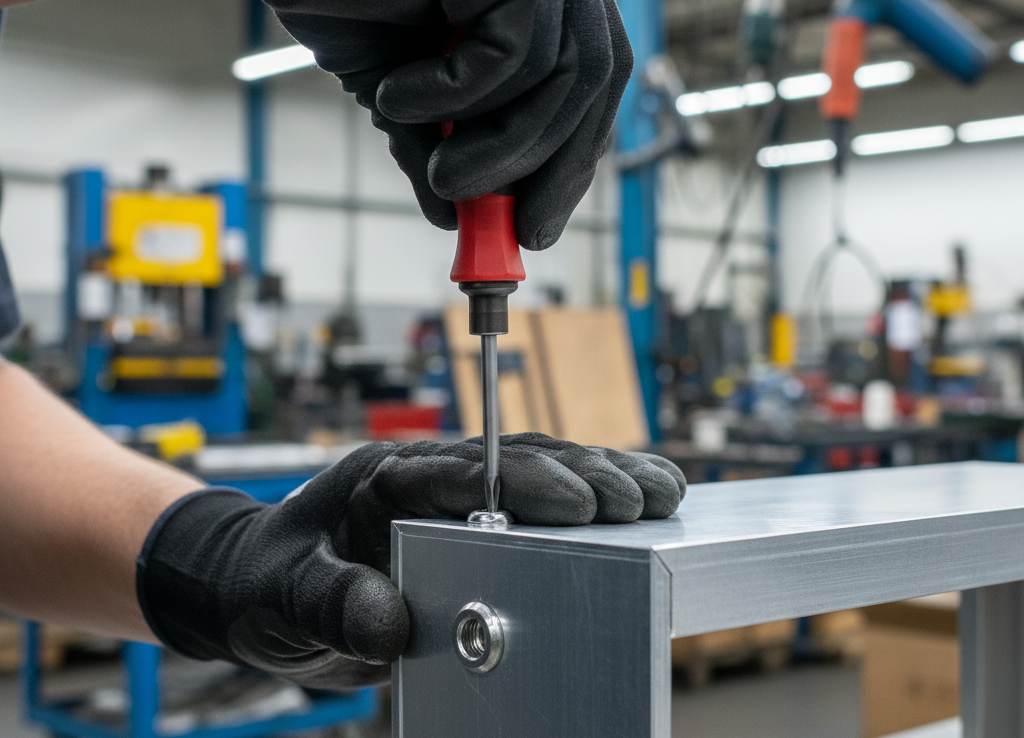
A dependable result comes from a mix of product choice and good installation practice. The correct driver bit, steady pressure and careful alignment all help the fixing bite properly and sit as intended. Rushing these basics often leads to stripped heads, skewed placement or unnecessary waste. On visible metalwork, small inconsistencies quickly stand out, so attention to detail pays off.
It also helps to source from suppliers that understand trade requirements rather than treating every order as interchangeable. Product range, consistency and availability all matter when a job has deadlines and material schedules to meet. When installers know they can get the right fixing for the task, planning becomes easier and results improve. That is often the difference between a job that simply gets done and one that feels properly finished.
Choosing the right fixing is a practical decision, but it also reflects the overall standard of the work. Strong, reliable metalwork depends on the details holding it together, and those details deserve proper attention from the start.