How The Right Door Can Change A Home’s First Impression
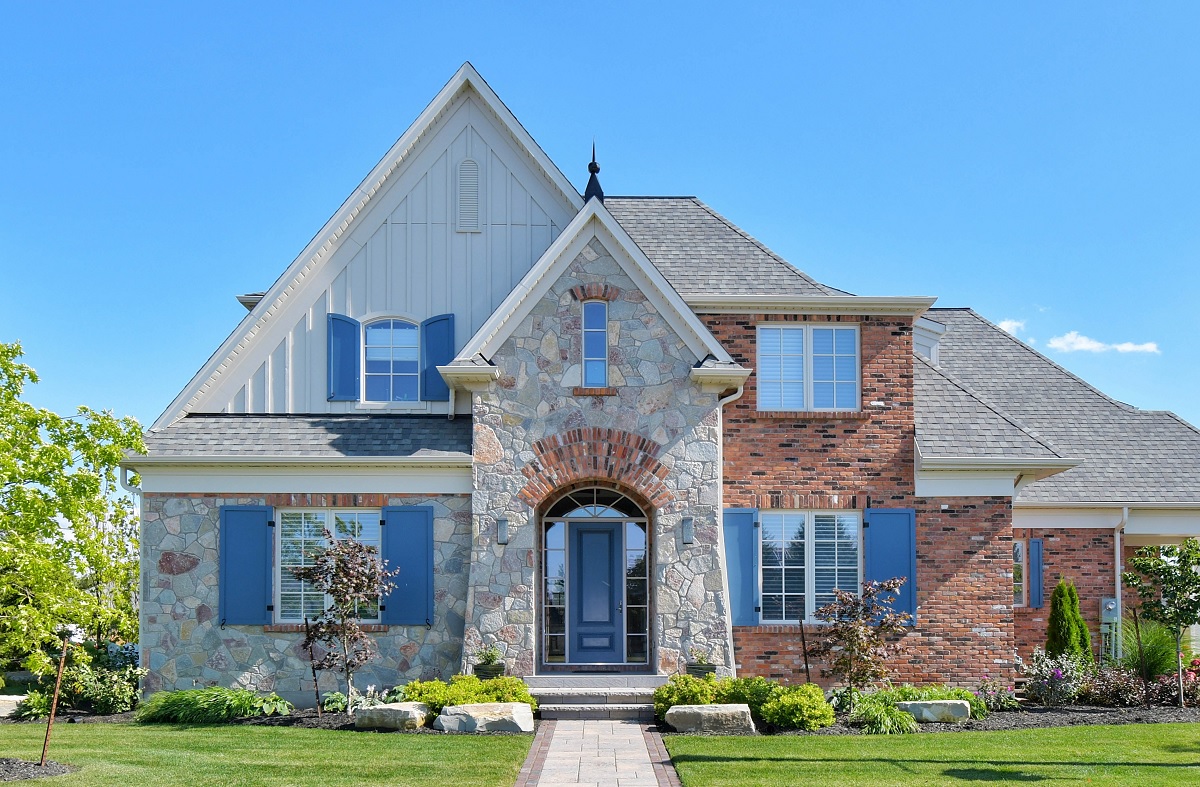
From back doors that take the worst of the weather to entrance doors that no longer close cleanly, ageing doors in Glasgow can affect security, warmth and the overall feel of a home more than people often expect.
Glasgow homes vary widely, from traditional sandstone properties and terraced houses to modern flats and detached family homes. A suitable door should feel in keeping with the property while also meeting the practical demands of Scottish weather, daily use and home security.
Doors Need To Be Practical First
A good door should open smoothly, close securely and keep out draughts. These basics matter more than decorative details. If a door sticks, lets in cold air or feels weak, it can make the whole entrance feel neglected.
Older doors may lose performance over time. Timber can swell, warp or split if it has not been maintained. Locks and hinges may become worn. Seals can fail, allowing wind and rain to creep in. In Glasgow’s damp and changeable climate, these issues can become more noticeable during colder months.
Replacement doors can help improve comfort, but the product needs to be chosen carefully. Composite, uPVC, aluminium and timber doors all have different strengths. The right choice depends on the property, budget, desired appearance and level of maintenance the homeowner is willing to manage.
Security Is A Major Consideration
The entrance door is one of the most important parts of home security. Modern doors can offer stronger locking systems, reinforced construction and more robust frames than many older designs. For accessible side doors, back doors and front entrances, this can provide added reassurance.
Security is not only about the lock itself. The frame, hinges, glazing panels and installation all need to work together. A strong door fitted into a weak frame will not deliver the same level of protection as a complete, properly installed system.
Homeowners should also think about visibility and privacy. Glazed panels can bring natural light into a hallway, but the type, size and position of the glass should suit the home and the level of privacy required.
Style Should Suit The Street
A door can change the look of a property very quickly. A bright colour, modern slab design, traditional panel style or glazed feature can all create a different impression. The challenge is choosing something that feels individual without clashing with the building.
In older Glasgow streets, traditional proportions and sympathetic colours may work best. In newer developments, contemporary finishes can look more natural. For flats, shared entrances or properties with building restrictions, there may be limits on what can be changed.

Kerb appeal does matter, but it should not come at the expense of suitability. A door that looks impressive in a brochure may not feel right once fitted to a particular property. The surrounding brickwork, stone, render, windows and neighbouring homes all influence the final effect.
Energy Efficiency Starts At The Entrance
People often focus on windows when thinking about heat loss, but doors can also contribute to draughts and poor comfort. A badly sealed or poorly insulated door can leave hallways cold and make adjoining rooms harder to heat.
Modern external doors are designed to provide better thermal performance than many older units. Proper seals, insulated cores and accurate installation can all help reduce draughts. This is especially useful in homes with entrance halls that connect directly to living spaces.
Back doors and patio doors should not be overlooked either. These are often used frequently and may be exposed to gardens, wind and rain. They need the same level of thought as the main entrance.
Choosing A Door For Everyday Life
The best door is one that suits how the household lives. A busy family may need durability, easy cleaning and practical glazing. Someone working from home may value security and sound reduction. A homeowner renovating a period property may care more about matching traditional details.
Hardware also matters. Handles, letterplates, numbers, knockers and thresholds all affect usability and appearance. Small details can make the finished door feel more considered.
A well-chosen door should combine strength, warmth and character. It should look right from the outside, feel secure from the inside and perform reliably through everyday use. When those elements come together, the entrance becomes more than a practical opening. It becomes a natural part of the home’s identity.