Unpacking vs. Moving Day: What Works Best in Moving?

The moment has finally arrived: you’re ready to move into your new home. Whether you’ve been planning your move for weeks or months, it’s an exciting yet often exhausting milestone. Two major phases make up the moving process—moving day and unpacking. While both are crucial parts of the journey, the question arises: which of these phases is more impactful in determining the success of your transition? And, perhaps more importantly, how can you approach them to ensure a smoother and less stressful moving experience? In this article, we will examine the differences between moving day and unpacking, their respective challenges, and the strategies that can make both phases work best for you.
The Stress of Moving Day: A Reality Check
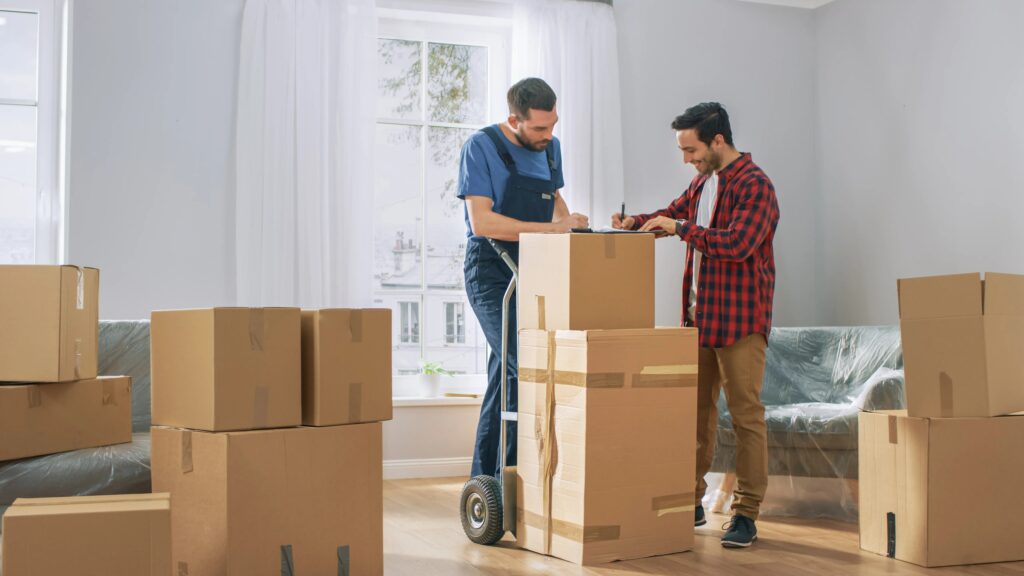
Moving day, in many ways, represents the culmination of all the planning, organizing, and hard work that leads up to the moment when you physically relocate to your new home. It’s an action-packed, high-stress day filled with heavy lifting, last-minute packing, and the constant hustle of logistics. For many, it’s one of the most demanding and chaotic days of the entire moving process. But as challenging as it can be, it also holds the key to a successful move if handled with the right approach.
On moving day, there are several important elements that require careful attention. For instance, if you’ve hired movers, ensuring that they arrive on time and handle your belongings with care is a priority. If you’re going the DIY route, managing the moving truck, coordinating the loading and unloading of boxes, and possibly even recruiting friends and family to help are all factors you must juggle.
One of the main difficulties on moving day is managing the physical strain. Lifting boxes, disassembling furniture, and navigating staircases and narrow hallways can quickly lead to fatigue. For some, this can be overwhelming, particularly if you’re managing the entire process on your own. To minimize these stresses, careful preparation is key. Labeling boxes with clear descriptions of their contents and designating rooms in your new home for each box can save time and reduce confusion. Also, remember to take frequent breaks and hydrate, especially if you’re handling the physical work yourself.
Another challenge on moving day is ensuring that all logistics go according to plan. Traffic delays, a faulty moving truck, or miscommunication with movers can derail the schedule and add unanticipated stress. To mitigate this, it’s essential to plan for contingencies. Double-check everything, from confirming moving company bookings to ensuring that the moving truck is appropriately sized for the load. Having a checklist for both the old and new locations can also ensure that nothing is overlooked.
In terms of emotional strain, moving day can also be surprisingly difficult. The excitement of starting a new chapter often comes with a sense of sadness about leaving behind familiar surroundings. Take a moment to reflect, say goodbye, and allow yourself to absorb the emotions of the day—while keeping a sense of perspective that this is simply a temporary phase.
Unpacking: The Often-Overlooked Phase
While moving day demands immediate attention, unpacking is the quieter, more gradual process that allows you to settle into your new home. Though it may seem less chaotic than moving day, unpacking is its own unique challenge. It requires patience, organization, and careful thought to create a space that feels truly like home.
One of the most significant benefits of unpacking is the ability to control the environment. Unlike moving day, when the focus is on the immediate task of transporting everything from point A to point B, unpacking allows you to make deliberate decisions about where each item should go. This is the phase when your new home starts to take shape, when boxes turn into rooms, and when chaos gradually gives way to order. However, unpacking can also feel overwhelming due to the sheer number of boxes and the multitude of decisions you need to make.
The key to a successful unpacking process lies in taking a methodical approach. Start with the essentials: unpack the bathroom, kitchen, and bedroom first. Having a functional kitchen, a stocked bathroom, and a bed to sleep in will provide you with a sense of accomplishment and comfort, enabling you to face the remaining tasks with a clear mind. After the essentials are in place, move on to the other rooms at a pace that feels comfortable to you. Avoid feeling pressured to unpack everything all at once—unpacking is a marathon, not a sprint.
Another challenge during the unpacking phase is the emotional aspect. Unlike moving day, when you’re busy with tasks and logistics, unpacking offers moments of reflection as you handle each item and think about where it belongs in your new home. It’s easy to become nostalgic or even overwhelmed by the accumulation of personal possessions. One way to ease this is by embracing a minimalist mindset—be willing to part with things that no longer serve a purpose in your life or that you no longer love. Decluttering during the unpacking process not only makes the transition smoother but can also create a cleaner, more peaceful living space.
One common pitfall during unpacking is the temptation to “throw things in a room” just to get them out of sight. While this may seem like an efficient shortcut, it can lead to disorganization down the line. Make sure that each item has a designated place and that everything is put where it truly belongs. Storage solutions, such as baskets, shelves, and cabinets, can help keep your space neat and functional. By maintaining an organized system during unpacking, you’ll avoid a cluttered environment and create a home that reflects your personality.
Moving Day vs. Unpacking: Which Is More Important?
Both moving day and unpacking are crucial parts of the overall process, but each plays a different role in the success of your move. Moving day is all about the logistics of transporting your belongings from one place to another, ensuring that everything is handled with care, and managing the physical strain of moving. It’s a day that requires coordination, stamina, and flexibility in the face of potential obstacles. If handled well, moving day sets the foundation for a smooth transition.
Unpacking, on the other hand, is where the transformation from “new house” to “home” takes place. It’s the slower, more deliberate process of settling into your space, organizing, and finding comfort in your surroundings. While it may not come with the high energy and rush of moving day, it can be equally, if not more, significant in creating a sense of permanence and belonging in your new home. The unpacking phase is where you make thoughtful decisions about how your space will look and function, and it’s where the comfort of your daily routine begins to emerge.
In many ways, unpacking can be considered the more important phase. After all, it’s where your life begins to take shape in your new environment. A well-organized, thoughtfully arranged space can have a profound impact on your mental well-being and ease your transition into your new home. While moving day may seem more urgent and demanding, unpacking is the process that gives your move its true purpose and meaning.
Conclusion: A Balanced Approach for a Smooth Transition
In the end, the key to a successful move lies in balancing both moving day and unpacking. Moving day demands organization, physical effort, and attention to logistics, while unpacking requires patience, organization, and emotional mindfulness. Neither phase should be rushed or neglected. By taking a methodical approach to both, you ensure that your move is as stress-free as possible, allowing you to enjoy the journey of settling into your new home.
So, while moving day will always hold its fair share of excitement and chaos, it’s unpacking that allows you to truly make the space your own. With careful planning and a thoughtful mindset, both phases can work together seamlessly to help you create a home that feels both functional and welcoming.