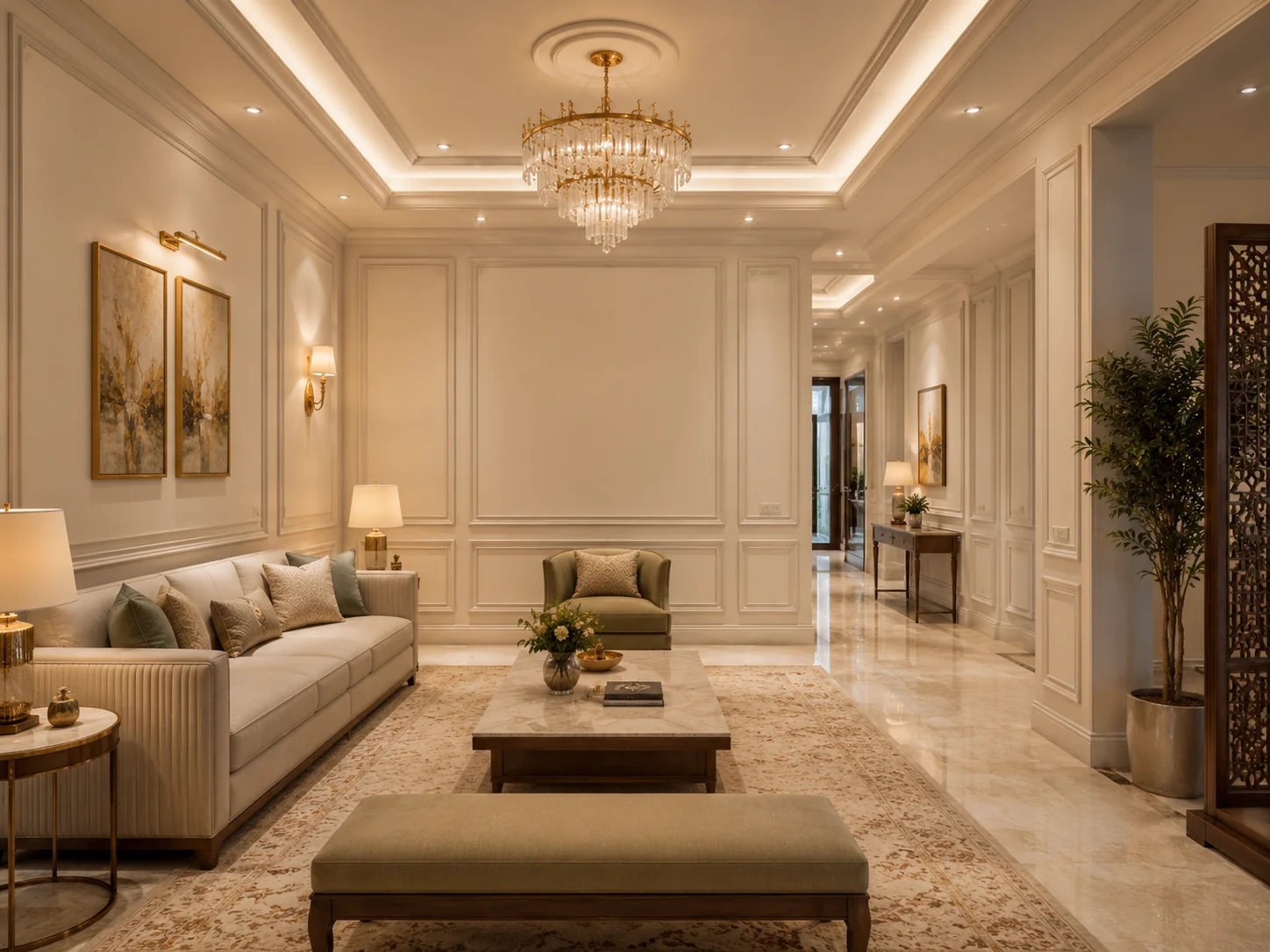
How Smart Decor Choices Maximize Space

Living spaces are shrinking in many cities, but thoughtful decor can make even compact homes feel open, organized, and comfortable. Smart decor choices focus on function, proportion, and visual balance, allowing you to get more out of every square foot without sacrificing style.
This guide explores practical, design-driven strategies that transform limited areas into highly efficient and visually appealing spaces.
Understanding Space Efficiency in Interior Decor
Maximizing space is not about removing personality from a room. It is about intentional design—selecting items that serve multiple purposes and arranging them to enhance flow.
Well-planned decor:
- Reduces clutter
- Improves movement and usability
- Creates the illusion of larger rooms
- Supports daily routines more efficiently
When decor works with the architecture rather than against it, the space feels naturally larger.
Choose Multifunctional Furniture
Furniture that performs more than one role is the backbone of space-smart decor.
Popular multifunctional options include:
- Sofa beds or daybeds for living rooms
- Storage ottomans that double as seating
- Extendable dining tables
- Beds with built-in drawers or lift-up storage
- Fold-down desks for work-from-home setups
These pieces reduce the need for extra furniture, keeping rooms open and flexible.
Use Vertical Space Strategically
Walls are often underused, yet they offer valuable real estate.
Vertical decor solutions include:
- Tall shelving units instead of wide cabinets
- Wall-mounted desks and nightstands
- Floating shelves for books and decor
- Hanging organizers in kitchens and bathrooms
By drawing the eye upward, vertical elements make ceilings appear higher and free up floor space.
Light Colors and Reflective Surfaces Matter
Color plays a major role in how spacious a room feels.
Best choices for small spaces:
- Soft whites, beiges, and light grays
- Pastels with warm undertones
- Glossy or satin finishes that reflect light
Mirrors amplify this effect by bouncing natural and artificial light around the room. A large mirror placed opposite a window can instantly double the perceived space.
Scale and Proportion Are Critical
Oversized furniture can overwhelm a room, while pieces that are too small may look awkward.
Smart proportion tips:
- Choose furniture with slim legs and open bases
- Avoid bulky armrests and heavy frames
- Opt for low-profile seating to make ceilings feel higher
- Keep walkways clear to maintain flow
Balanced proportions help rooms feel airy rather than cramped.
Declutter Through Smart Storage Decor
Decor and storage do not have to be separate concepts.
Decorative storage ideas include:
- Baskets under coffee tables
- Storage benches at entryways
- Built-in shelving around doors and windows
- Decorative boxes that hide everyday items
When storage blends seamlessly into decor, clutter disappears without making spaces feel utilitarian.
Let Furniture Placement Do the Work
Strategic placement often matters more than the furniture itself.
Effective placement techniques:
- Float furniture slightly away from walls to improve flow
- Use rugs to visually define zones in open layouts
- Align furniture with natural light sources
- Avoid blocking windows and doorways
Thoughtful layouts ensure that every piece serves the room’s function rather than restricting it.
Minimalism Without Losing Personality
Minimal decor does not mean boring decor. It means intentional selection.
Focus on:
- Fewer, meaningful decorative items
- Art that adds depth without visual clutter
- Consistent textures and finishes
- Quality over quantity
A restrained approach allows each element to breathe, making the space feel calm and expansive.
Frequently Asked Questions
How can decor make a small room feel larger without renovation?
Using light colors, mirrors, multifunctional furniture, and vertical storage creates visual openness without structural changes.
What type of furniture is best for compact living spaces?
Furniture with built-in storage, foldable features, or dual functionality works best for maximizing usable space.
Are dark colors ever suitable for small rooms?
Yes, when used strategically as accents or on a single wall, dark colors can add depth without shrinking the room.
How many decorative items should a small space have?
Fewer but well-chosen pieces are ideal. Over-decorating can make even well-designed rooms feel crowded.
Does open shelving make spaces look bigger or messier?
Open shelving can make spaces feel larger if kept organized and styled with restraint.
Can smart decor help open-plan layouts feel organized?
Yes, rugs, lighting, and furniture placement can define zones without using walls or partitions.
What is the biggest mistake people make when decorating small spaces?
Choosing furniture based on appearance alone rather than considering scale, storage, and functionality.