Elegant Wall and Ceiling Designs You Can Create with Poly Moulding
Plain walls and flat ceilings are common in Thai homes, from Bangkok condominiums to suburban townhouses. They are practical, but they can make a room feel unfinished. Poly moulding (known as บัวโพลี in Thai) offers a simple way to add shape, depth and detail without major building work.
Poly moulding is made from polyurethane or polystyrene. It is lightweight, easy to cut and quick to fix in place with adhesive. Unlike timber, it does not swell in humid weather or attract termites, two common problems in Thailand’s tropical climate. Unlike traditional plaster, it resists cracking when a building shifts slightly over time.
These qualities make poly mouldings a sensible choice for both new builds and renovations. Below are six designs you can create, along with practical tips for Thai interiors.
Classic Wall Panelling
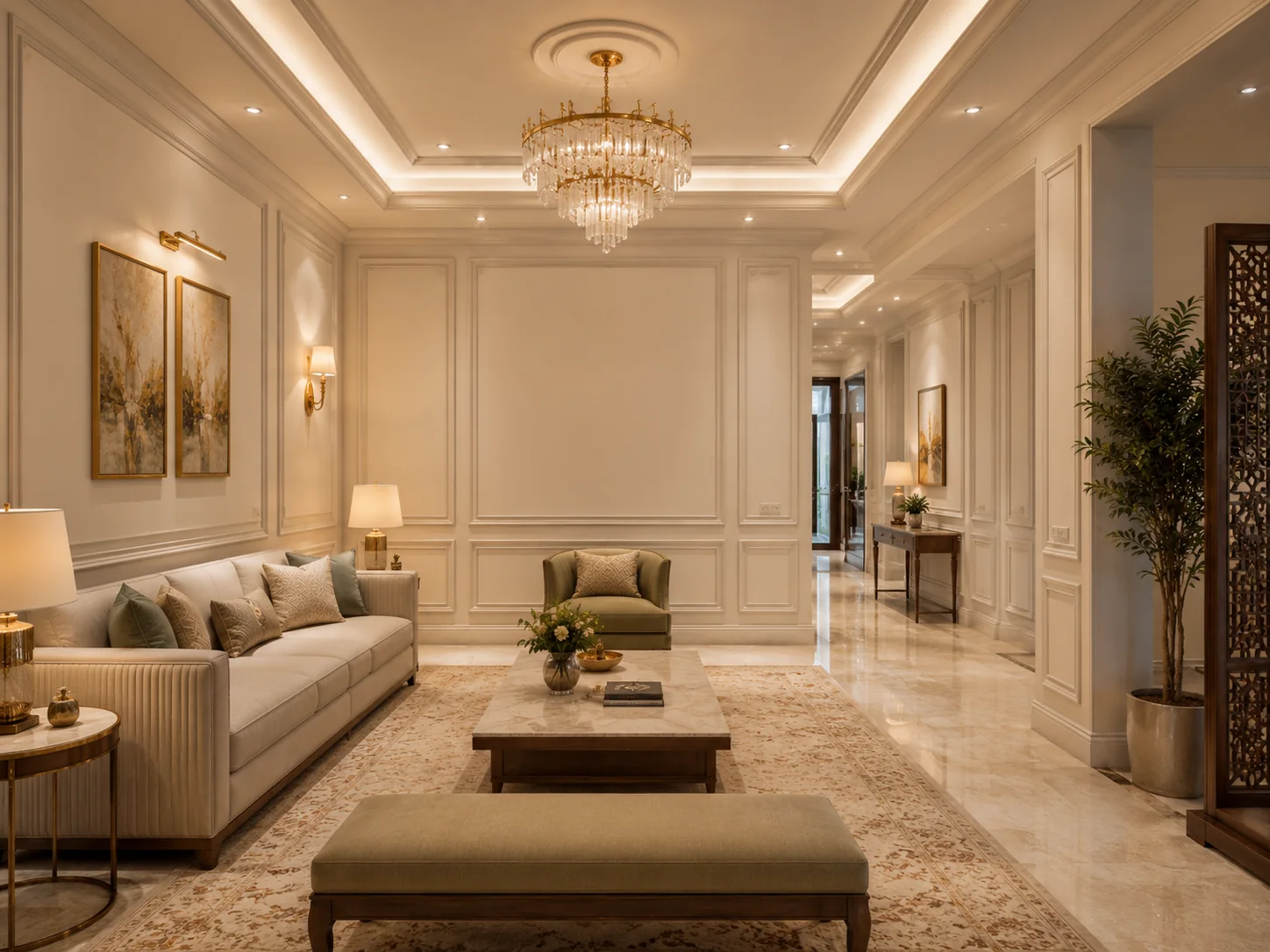
Use straight mouldings to form framed rectangles on living room or dining room walls. Paint the frames the same colour as the wall for a subtle, tailored look. Choose a contrasting shade for a bolder effect. Measure carefully and keep spacing even so the panels look balanced.
Cornices Where Walls Meet the Ceiling
A cornice softens the sharp line between wall and ceiling. It also hides small gaps and uneven edges. Match the profile to your ceiling height. Slim profiles suit condominiums with ceilings around 2.6 metres. Deeper profiles work well in older houses with ceilings of 3 metres or more. Plan around air conditioning units before you cut.
Tray Ceilings with Hidden Lighting
Fit cove moulding around a recessed ceiling section and run LED strip lighting behind it. The result is a soft, indirect glow. This design suits bedrooms and living areas, where gentle light helps you relax after a hot day.
Ceiling Medallions
Ceiling fans remain popular in Thai homes, even those with air conditioning. Add a round medallion above a fan or pendant light to frame it. This small detail draws the eye upward and gives the room a finished centre point.
Thai-Inspired Motifs
Many mouldings come with decorative patterns. Choose lotus shapes or flowing designs that echo traditional kanok motifs found in temple art. Use them sparingly, such as along a feature wall or around a shrine shelf. Pair them with clean modern furniture so the space feels current rather than heavy. Gold or bronze paint on raised details adds warmth.
Wainscoting and Dado Rails
Fit a dado rail around 90 centimetres from the floor, then add panelling below. This protects lower walls from scuffs caused by chairs, bags and children. It also creates a clear visual break, which works well in hallways and dining rooms.
Installation Tips
- Check for damp first. Ground floor walls can absorb moisture during the rainy season. Fix any leaks before installing.
- Use the right adhesive. Choose one made for polyurethane or polystyrene.
- Cut accurate corners. Use a mitre box and a fine-toothed saw.
- Fill the joints. Apply paintable caulk to seams and nail holes.
- Prime, then paint. Water-based acrylic paint gives a smooth, lasting finish.
Start with one room and one design. A cornice or a simple set of wall panels can change how a space looks and feels. Once you are comfortable with the process, try ceilings, medallions or decorative motifs. With careful planning, you can give plain Thai interiors a refined, polished character.