Top 10 Lighting Tips for a Better Smart Home

Smart lighting has rapidly become one of the most sought-after enhancements in modern home automation. More than just a trend, intelligent lighting systems offer convenience, efficiency, and ambiance that traditional fixtures simply cannot match. Yet, to fully harness the power of smart lighting, one must think beyond novelty. A well-planned lighting strategy can elevate the everyday experience, improve energy management, and add a sophisticated layer of personalization to your home. Whether you’re upgrading a single room or transforming your entire living space, these top 10 lighting tips will guide you toward creating a smart home that’s as functional as it is beautifully illuminated.
1. Start with a Thoughtful Lighting Plan
Before purchasing any smart bulbs or fixtures, take a step back and assess your home’s layout, purpose, and lighting needs. Map out where natural light flows, which rooms serve multiple functions, and how different lighting moods might enhance those spaces. Planning ahead will help you determine whether you need ambient lighting for general visibility, task lighting for focused activities, or accent lighting to highlight architectural features. A layered lighting approach, which combines these three types, ensures that each room adapts to your lifestyle.
2. Choose the Right Smart Lighting Ecosystem
Compatibility is crucial in a smart home. With options like Philips Hue, LIFX, Nanoleaf, and Wyze, selecting a system that integrates smoothly with your existing smart assistants—whether Alexa, Google Assistant, or Apple HomeKit—is essential. Consider whether the system supports automation routines, color customization, voice control, and third-party integrations. Investing in a cohesive ecosystem allows for centralized control and seamless synchronization across multiple devices.
3. Embrace Voice and App Control for Ease
The charm of smart lighting lies in control that adapts to your preferences. Voice commands can turn lights on or off, adjust brightness, and change color temperature instantly. App-based control allows for on-the-go access, ideal for late-night arrivals or vacation scenarios. Whether you’re cozy in bed or miles away, voice and app control ensures you’re always connected to your home’s ambiance.
4. Use Scenes and Routines to Match Your Lifestyle
One of the most powerful features of smart lighting is the ability to create “scenes” or “routines” that align with your daily habits. For example, a “Wake Up” routine might gently increase brightness in warm tones to simulate sunrise, while a “Movie Night” scene could dim the lights and add a soft glow behind the television. These custom presets not only streamline your day but enhance your home’s mood and rhythm.
5. Adjust Color Temperature to Suit the Time of Day
Our bodies respond to lighting cues in ways we often underestimate. Cool white light mimics daylight and promotes alertness—perfect for morning routines and workspaces. Warmer tones, on the other hand, signal relaxation and are better suited for evenings. Many smart bulbs allow you to schedule automatic shifts in color temperature throughout the day, aligning your indoor lighting with natural circadian rhythms for better sleep and productivity.
6. Layer Lighting for Function and Atmosphere
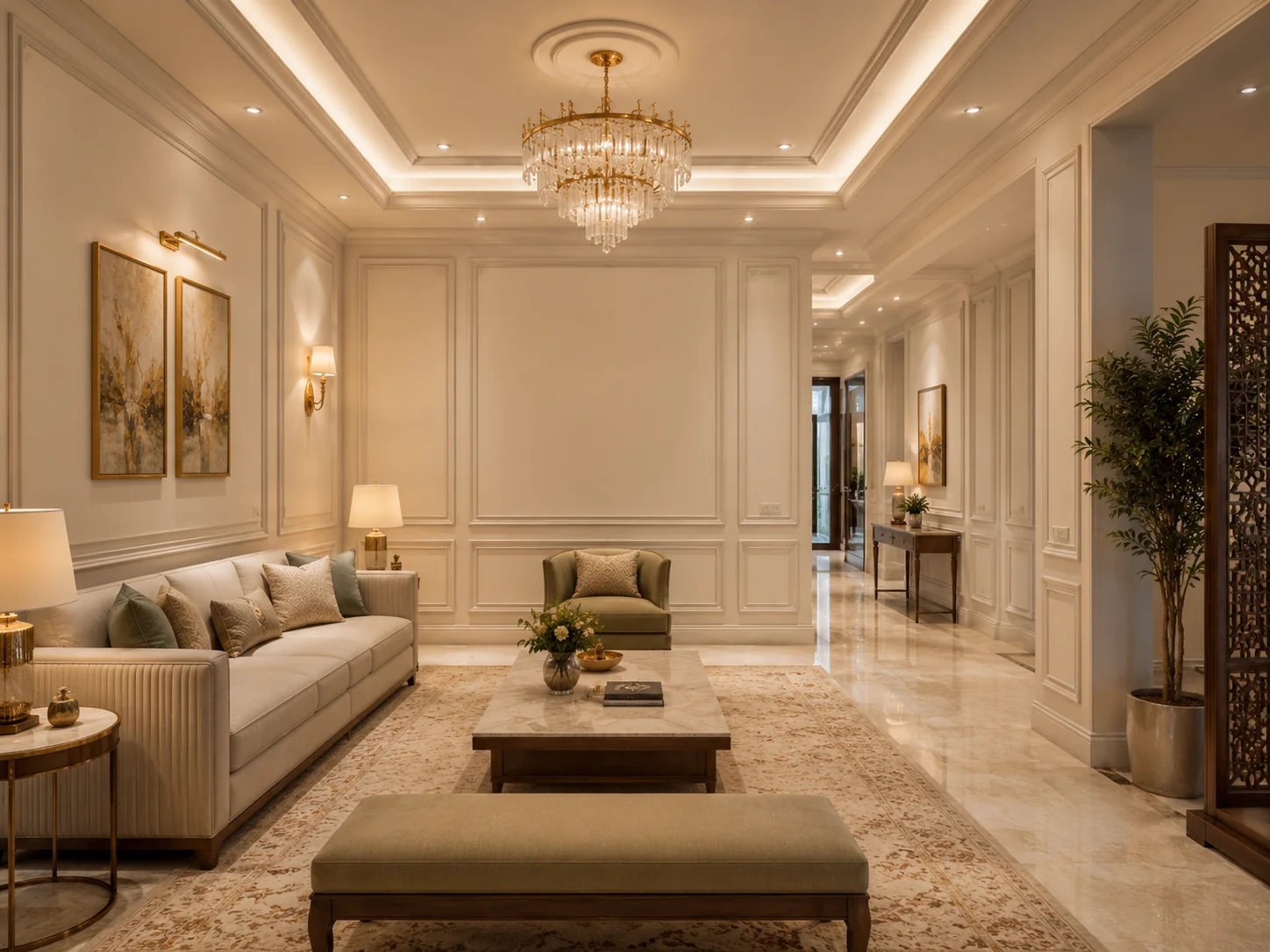
Don’t rely on a single light source to do all the work. Smart lighting works best when layered thoughtfully. Combine ceiling fixtures with table lamps, sconces, and under-cabinet lights to create depth and flexibility in each room. With smart controls, you can manage the entire setup with a single tap or command, tailoring brightness and color according to your mood or activity.
7. Incorporate Motion Sensors for Efficiency
For high-traffic areas like hallways, bathrooms, and pantries, motion-activated lighting adds a layer of convenience and energy savings. Many smart lighting systems offer sensors that trigger lights only when someone enters the room, turning them off after a period of inactivity. This feature is particularly useful at night, eliminating the need to fumble for switches in the dark while preventing energy waste.
8. Optimize Outdoor Lighting for Security and Ambience
Smart lighting isn’t limited to interiors. Outdoor fixtures can enhance curb appeal, improve safety, and provide practical illumination for paths, patios, and driveways. Integrate motion sensors, dusk-to-dawn timers, or geofencing features to automate exterior lighting based on your location or the time of day. Some systems even allow you to change colors for seasonal displays or special occasions—an elegant touch that adds warmth to your home’s exterior.
9. Prioritize Energy Efficiency with LED Smart Bulbs
Switching to LED smart bulbs is one of the simplest ways to reduce your home’s energy consumption without sacrificing performance. These bulbs use significantly less electricity than incandescent ones and last much longer. Many smart lighting systems offer real-time energy tracking, allowing you to monitor and adjust your usage habits. Over time, these small choices can result in meaningful savings and a lighter environmental footprint.
10. Future-Proof with Open Standards and Firmware Updates
Technology evolves quickly, and smart lighting is no exception. To protect your investment, choose products that support open standards like Matter or Zigbee, which promote interoperability among brands. Regular firmware updates also ensure your system remains secure, compatible with new features, and resistant to potential vulnerabilities. A future-proofed system gives you the flexibility to grow your smart home without starting from scratch.
Final Thoughts: Light as a Lifestyle Enhancer
Smart lighting is more than a convenience—it’s a design element, a productivity tool, and a mood enhancer rolled into one. With the right planning and thoughtful integration, your home can become an adaptive, intuitive environment that responds not just to your commands but to your daily rhythms and emotional states. Whether you’re winding down after a long day, hosting a dinner party, or tackling a project, lighting sets the stage for the moments that matter most.
In the end, the best smart lighting system is one that quietly supports your lifestyle, subtly improves your energy efficiency, and effortlessly elevates the aesthetic of your space. It’s not about dazzling displays or gimmicky color changes; it’s about light that understands you—changing when needed, fading when appropriate, and always being precisely where it should be.