How to Choose the Right Carpet for Each Room in Your Home
Carpet is one of the few choices in a home that affects comfort, noise, warmth, and how a space feels day to day. It is also easy to get wrong if you pick purely on colour or whatever feels softest in the showroom. The best approach is to start with how each room is used and then match the carpet type to the reality of foot traffic, spills, pets, and cleaning. If you are weighing up options locally and looking at carpets in Falkirk, it helps to go in with a simple room-by-room checklist so you are comparing like for like.
Different rooms ask different things from a carpet. Stairs need grip and resilience. Bedrooms are about warmth and comfort. Living spaces need durability without feeling too “hard wearing”. Once you view it that way, it becomes much easier to narrow your choices and avoid paying extra for features you do not need.
Start With The Room, Not The Sample
A small carpet swatch can be misleading. Texture, colour, and pile direction can look completely different once it is fitted across a whole room and seen in daylight. Before you fall in love with a sample, ask yourself three basic questions about the room:
- How much foot traffic does it get each day?
- Who uses it and how (kids, pets, outdoor shoes, moving furniture)?
- How easy do you need it to be to clean?
These questions are far more useful than the label on the display stand. They steer you towards the right construction and fibre type, which is what determines how the carpet performs long term.
Living Rooms And Family Spaces: Balance Comfort With Durability
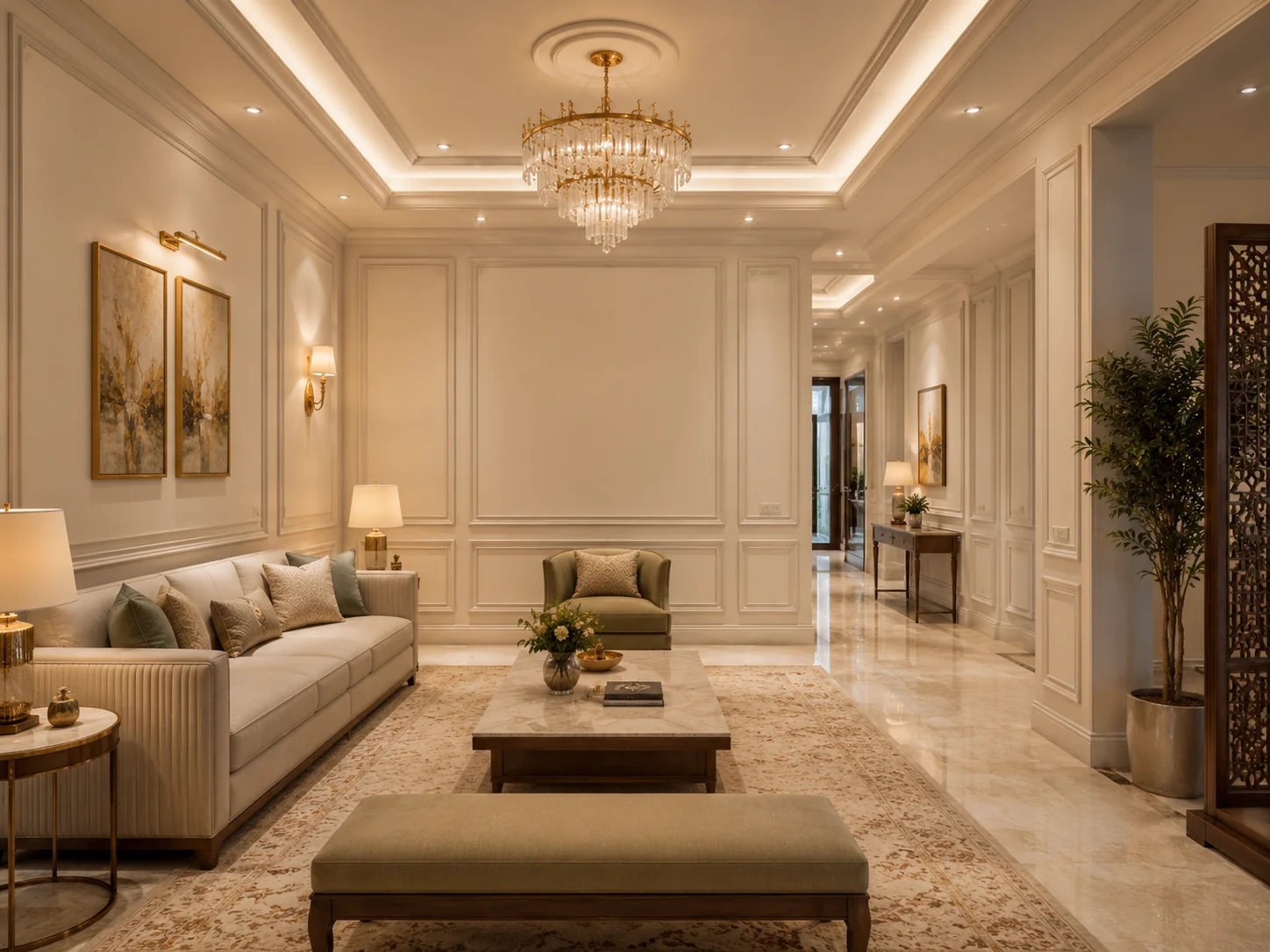
Living rooms tend to take a steady amount of wear, even if it does not feel like it. People walk through them, sit in the same places, and often eat or drink there. You want something comfortable underfoot, but you also want it to bounce back rather than flatten.
For family spaces, a twist pile is often a sensible option because it is designed to cope with regular use and tends to show fewer footprints than a very plush finish. If you like a softer feel, a medium pile can still work well, but consider how it will look after months of use rather than on day one.
If you have pets, think about texture. Looped carpets can catch claws and pull. A tighter twist or a cut pile often copes better. Also consider colour and pattern in a practical way. A slightly flecked or heathered carpet can disguise everyday marks far better than a flat, single-tone shade.
Stairs And Hallways: Prioritise Resilience And Safety
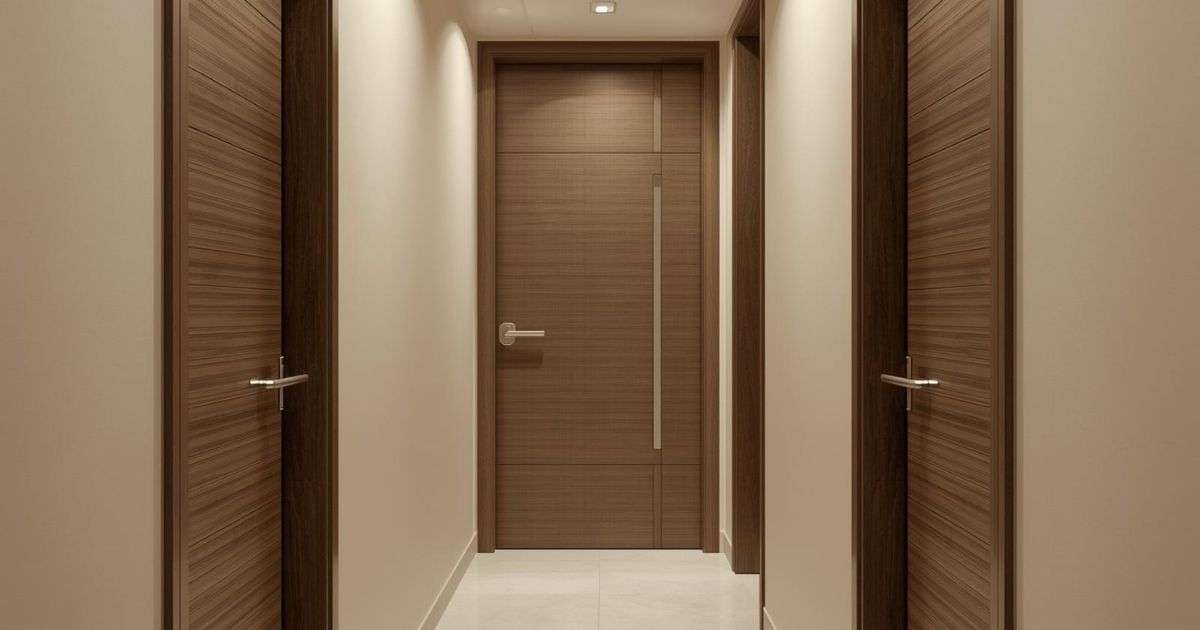
Stairs and hallways are usually the toughest areas in the home. They deal with heavy traffic, grit from shoes, and constant pressure in the same spots. This is where people often regret choosing a carpet that is too soft or too deep, because it can flatten quickly and show wear lines.
A denser pile and a carpet designed for high traffic are often the better bet here. You should also consider grip and stability, because stairs need to feel secure underfoot. A reputable fitter will guide you on suitability, but it helps to remember that stair carpet is not just a style choice. It is a performance choice.
This is also an area where underlay makes a big difference. Good underlay supports the carpet, helps it keep its shape, and can extend the life of the carpet significantly. Skimping here is one of the most common false economies.
Bedrooms: Comfort Comes First, But Think Long Term
Bedrooms usually see less heavy wear than living areas, so you can prioritise softness and warmth. A deeper pile can feel luxurious, and it is often where people want that “cosy” feel.
That said, do not ignore maintenance. Very light colours can show makeup, dust, and marks more than expected, particularly near the bed. If you want a pale shade, consider something with a bit of variation in tone, which can still look bright while being more forgiving.
If you have allergies, it is worth remembering that regular vacuuming matters more than the idea of carpet being “good” or “bad” for allergies. A good vacuum routine and a carpet that is easy to keep clean will make the biggest difference. Your retailer can also advise on fibres and pile types that suit easy maintenance.
Dining Rooms: Decide How Much Risk You’re Happy With
Carpet in a dining room can feel warm and quiet, but it also comes with an obvious downside: spills. If you rarely eat there or it is more of a “best room”, carpet can work well. If it is used daily, you may want to choose something that is easier to clean and less likely to show marks.
If you do go for carpet, consider darker shades or patterns that handle small stains better. A tighter pile can also help because it is less likely to trap crumbs and is often easier to vacuum. Think about chair movement as well. Frequent scraping can wear fibres, so a durable carpet and good fitting matter.
Home Offices: Think About Chair Movement And Practicality
Home offices have a specific issue: chair wheels. Over time, rolling chairs can flatten carpet and cause wear, especially on softer piles. If you work from home regularly, choose a carpet that can cope with that repeated movement.
A denser pile tends to perform better in these settings. Many people also use a chair mat to protect the surface, which can be a simple way to keep the carpet looking good for longer. Noise reduction is another advantage of carpet in an office, so it can be a smart choice as long as the carpet is suited to the use.
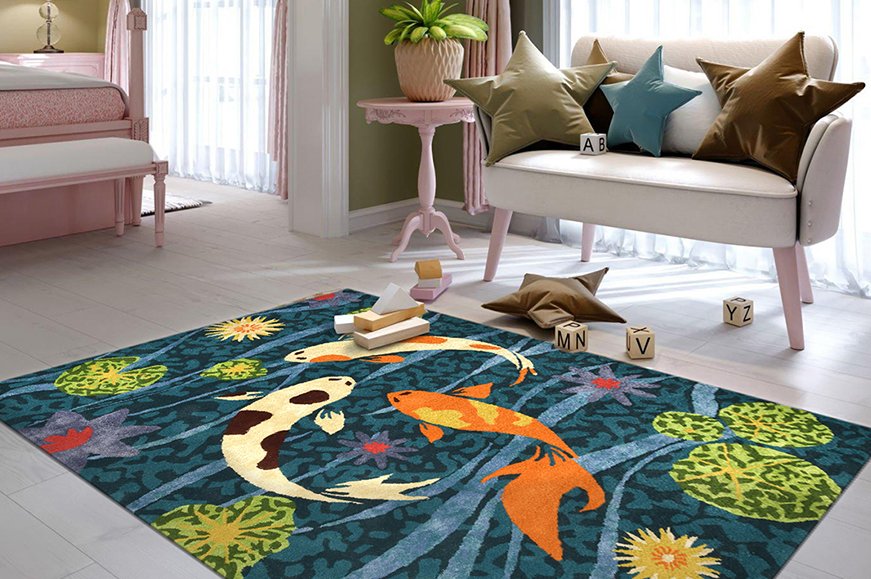
Playrooms And Kids’ Rooms: Easy Cleaning Wins
In rooms used by children, spills and mess are a reality. The best approach is to choose something forgiving and easy to maintain rather than something that needs delicate treatment.
Look for a carpet that hides marks well and does not show every footprint. A mid-tone shade with a little texture can be ideal. Also consider how often you will realistically deep clean the room. If the answer is “not often”, do not choose anything too precious.
Again, underlay matters because it improves comfort and helps the carpet cope with furniture, jumping, and general daily use.
Fibre Types In Plain Terms
You will hear a lot about fibres, but you only need the basics:
- Polypropylene is commonly chosen because it is often budget friendly and tends to be stain resistant. It can be a practical choice for busy homes, especially in bedrooms and family areas, although it may not feel as premium as other options.
- Wool is often valued for comfort, insulation, and a high quality feel. It can be a great option where you want warmth and softness, but you still need to treat it like a natural fibre and keep up with care.
- Nylon is often known for strength and resilience. It can be a good option for higher traffic areas where you want the carpet to bounce back well.
A retailer can explain exactly what is in a specific range, but thinking in terms of performance first will keep you on track.
Don’t Overlook Underlay And Fitting
It is tempting to view underlay and fitting as extras, but they have a huge impact on how your carpet feels and how long it lasts. Underlay improves comfort, warmth, and noise reduction, and it protects the carpet from wear. Fitting affects how the carpet sits, how it wears over time, and how it looks across joins and edges.
If you want the carpet to look good beyond the first few months, treat underlay and fitting as part of the purchase, not add-ons you can trim down.
A Simple Checklist To Take With You
Before you decide, run through this quick list for each room:
- How much daily foot traffic is there?
- Do you need stain resistance or easy cleaning?
- Will there be pets, kids, or chair wheels?
- Do you want a softer feel or a tighter, harder-wearing finish?
- Are you budgeting for good underlay and professional fitting?
Choosing carpet room by room keeps the decision practical. You end up with a home that feels comfortable where it matters and hard-wearing where it needs to be, without paying for the wrong features in the wrong places.