Common Pest Prevention Tips Every Homeowner Should Know
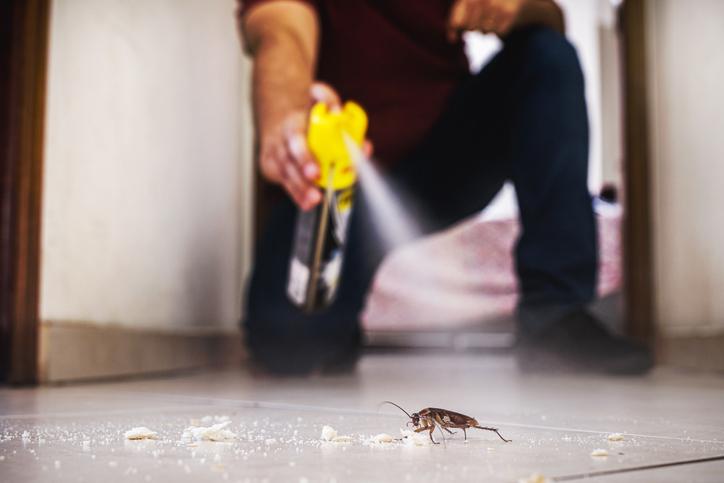
Keeping pests out of your home requires more than reacting to problems after they appear. The most effective strategy is prevention. By making a few simple changes to your home and daily routine, you can significantly reduce the chances of insects and rodents entering your property. Preventive measures not only help protect your home from damage but also contribute to a healthier and more comfortable living environment.
Pests are constantly looking for food, water, and shelter. If your home provides these essentials, it becomes an attractive place for them to settle. Fortunately, many of the conditions that encourage pest activity can be eliminated through regular maintenance and good housekeeping.
Keep Your Home Clean
Cleanliness is one of the most important factors in preventing pest infestations. Food crumbs, spills, and overflowing trash bins attract a wide range of insects and rodents.
Simple cleaning habits include:
- Wipe kitchen counters daily.
- Sweep and vacuum floors regularly.
- Wash dishes after meals.
- Clean under furniture and appliances.
- Empty indoor trash bins frequently.
- Store pet food properly.
- Remove food scraps immediately.
A clean home offers fewer opportunities for pests to find food.
Store Food Correctly
Improper food storage is one of the main reasons pests enter homes. Open packages and loosely sealed containers are easy targets for insects and rodents.
Good storage practices include:
- Use airtight containers.
- Keep pantry shelves organized.
- Store grains and cereals in sealed jars.
- Close snack packages tightly.
- Avoid leaving fruit uncovered.
- Rotate stored food regularly.
Proper food storage helps reduce pest attraction while keeping food fresh.
Eliminate Water Sources
Many pests need moisture to survive. Even small plumbing leaks can create ideal breeding conditions.
Inspect your home for:
- Leaking faucets
- Dripping pipes
- Standing water
- Clogged drains
- Roof leaks
- Damp basements
- Poor outdoor drainage
Repairing water-related problems quickly helps discourage moisture-loving pests.
Seal Entry Points
Tiny cracks and openings allow pests to enter unnoticed. A careful inspection around the property can reveal areas that need attention.
Common entry points include:
- Window frames
- Door gaps
- Utility pipe openings
- Foundation cracks
- Roof vents
- Garage doors
- Damaged screens
Sealing these openings prevents many pests from gaining access indoors.
Reduce Outdoor Pest Habitats
The condition of your yard can directly affect indoor pest activity.
Helpful outdoor maintenance includes:
- Trim shrubs away from the house.
- Keep grass cut short.
- Remove piles of leaves.
- Store firewood away from walls.
- Eliminate standing water.
- Clean gutters regularly.
- Dispose of yard waste properly.
A tidy outdoor space discourages pests from nesting close to your home.
Manage Household Clutter
Clutter creates hidden spaces where pests can live and reproduce without being disturbed.
Areas that often require organization include:
- Garages
- Basements
- Attics
- Closets
- Storage rooms
Keeping these areas clean and organized makes it easier to detect early signs of pest activity.
Inspect Your Home Regularly
Routine inspections allow homeowners to identify warning signs before infestations become serious.
Watch for:
- Droppings
- Gnaw marks
- Damaged food packaging
- Mud tubes
- Shed insect skins
- Unusual odors
- Nesting materials
Early detection usually results in quicker and less expensive solutions.
Protect Your Garden
Gardens can attract insects that eventually move indoors if not managed properly.
Garden maintenance tips include:
- Remove dead plants.
- Avoid overwatering.
- Harvest ripe produce promptly.
- Keep compost bins covered.
- Control weeds regularly.
- Space plants for proper airflow.
Healthy landscaping reduces the likelihood of pest populations increasing near your home.
Seasonal Maintenance Is Important
Different seasons bring different pest challenges.
Seasonal tasks include:
Spring
- Check for termite activity.
- Repair winter damage.
- Inspect foundations.
Summer
- Remove standing water.
- Monitor outdoor eating areas.
- Keep garbage tightly sealed.
Autumn
- Seal entry points.
- Clean gutters.
- Trim trees near the roof.
Winter
- Inspect attics.
- Monitor storage areas.
- Watch for rodent activity.
Preparing for seasonal pest behavior helps prevent infestations before they begin.
Benefits of Preventive Action
Preventing infestations provides many long-term advantages.
These include:
- Lower repair costs
- Improved indoor hygiene
- Better food safety
- Greater comfort
- Reduced stress
- Healthier living conditions
- Protection of valuable belongings
Consistent preventive habits are often far more effective than responding after pests have already become established.
Conclusion
Pest prevention begins with everyday habits that reduce access to food, water, and shelter. By keeping your home clean, sealing entry points, managing moisture, maintaining outdoor spaces, and performing regular inspections, you can greatly reduce the risk of infestations. Prevention not only protects your property from damage but also creates a healthier environment for your family. Making these simple practices part of your routine ensures that pest control becomes an ongoing effort rather than an emergency response, helping you enjoy a safer, cleaner, and more comfortable home throughout the year.